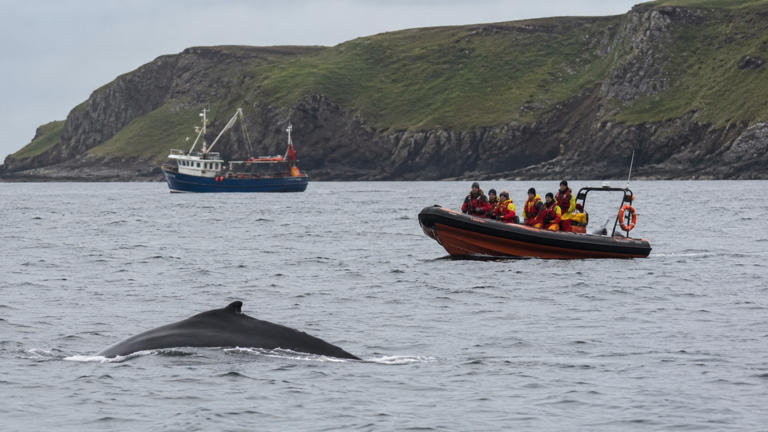
When a whale gets tangled in fishing gear, the first people on the scene are often fishermen. That’s why a recent three-day workshop in Kyle of Lochalsh and on Skye brought together fishermen, marine mammal rescuers, researchers, aquaculture staff, and conservation groups. The goal: improve how Scotland responds when whales become trapped in nets or lines.
Fishermen spot these incidents first, making them crucial partners—not outsiders—in rescue efforts. A quick call, keeping a safe distance, and clear communication can turn a potential disaster into a manageable situation.
But freeing a whale isn’t like untangling a small animal. Whales are powerful, stressed, and often far offshore in tough conditions. Rescue teams need specialized training, gear, coordination, and good judgment to know when intervention is safe for both animal and human.
Trust is key. If fishermen fear blame or penalties, they might hesitate to report entanglements. If rescue teams don’t understand the realities of fishing, their solutions may not work. Hands-on collaboration turns conflict into shared problem-solving.
Still, prevention is best. Better gear, reporting systems, seasonal awareness, and local cooperation can reduce risks over time. This workshop showed that protecting whales requires both fast emergency response and everyday trust on the water.