
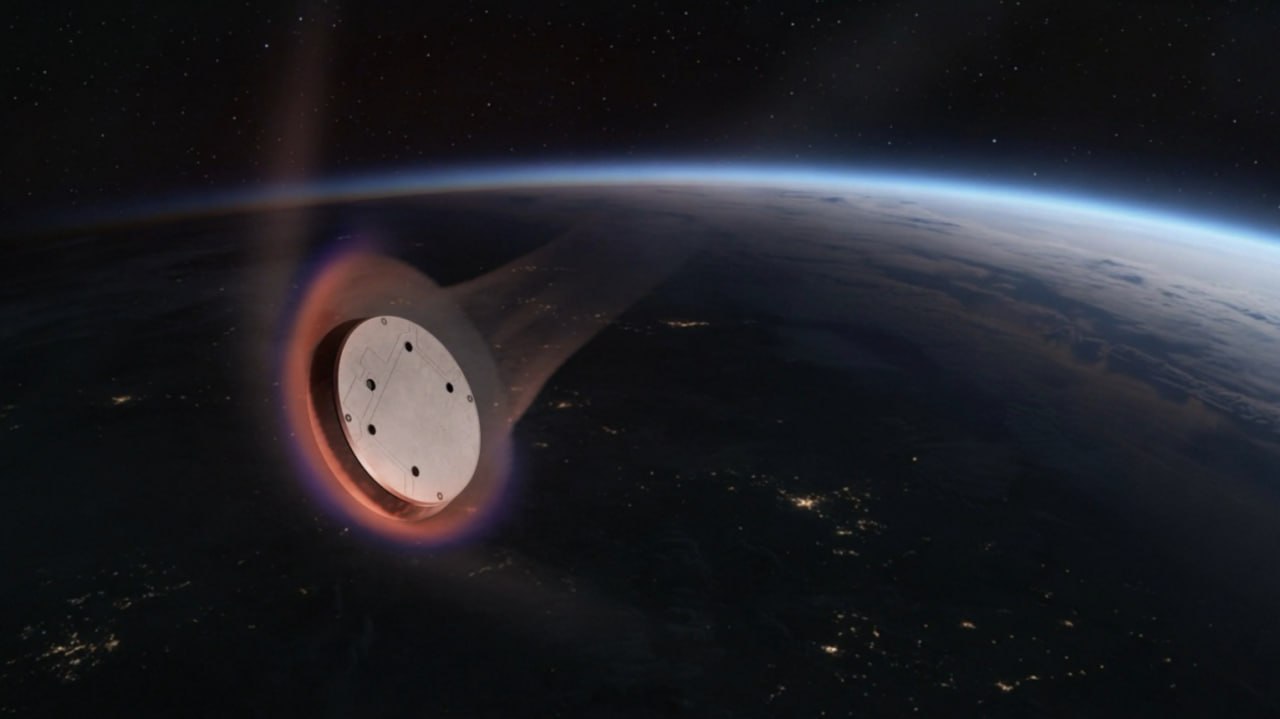
SpaceX’s latest venture isn’t about sending astronauts to Mars or launching satellites. It’s something far more grounded—literally. According to recent reports, the company is developing a capsule called Starfall, designed to deliver cargo from orbit to any point on Earth within hours. The payload capacity: up to 1,000 kilograms. That’s a ton of supplies, equipment, or even emergency aid, falling out of the sky with precision.
Imagine a humanitarian crisis—an earthquake in a remote mountain village, a flood cutting off an entire region, a war zone where roads are impassable. Right now, help takes days, sometimes weeks, to arrive by truck, plane, or helicopter. Starfall could change that. A single launch from Cape Canaveral, a quick orbit, and then a controlled reentry. The capsule touches down within meters of its target, anywhere on the planet, in under an hour from the moment the order is given. No runways. No ports. No overflight permissions. Just a box of medicine, food, or tools appearing out of the sky like a miracle.
But the human story here isn’t just about disaster relief. It’s about the everyday logistics that shape our lives. Think about the global supply chain: a cargo ship takes weeks to cross the Pacific. A plane takes hours, but costs a fortune and needs an airport. Starfall sits somewhere in between—fast, flexible, and potentially cheap enough to revolutionize how we move things. A farmer in rural Africa could receive a replacement tractor part in the same afternoon. A doctor in the Arctic could get a rare vaccine before it spoils. A journalist in a conflict zone could have a satellite phone delivered while the fighting is still going on.
The capsule itself is a marvel of engineering. Roughly the size of a small car, it’s designed to withstand the heat of reentry, deploy a parachute, and then fire retrorockets for a soft landing—like a dragonfly settling on a leaf. The first tests are expected within the next year, with commercial service possibly starting in late 2025. SpaceX has already demonstrated similar precision landing with its Dragon spacecraft, bringing cargo back from the International Space Station. Starfall is the next step: a dedicated delivery vehicle that never needs to dock with a station. It launches, orbits, and returns—like a messenger pigeon of the space age.
Of course, there are questions. Who controls the airspace? What about falling debris? How do you prevent the technology from being used for weapons or illicit goods? SpaceX will have to navigate a thicket of regulations, from international treaties to local customs laws. But the potential benefits are staggering. The United Nations estimates that rapid delivery of emergency supplies could cut disaster mortality by 30%. Starfall could make that a reality.
And then there’s the personal angle. For the engineers working on this, it’s not just a technical challenge—it’s a moral one. I spoke with a young propulsion specialist named Maya, who told me her grandmother died in a flood in Kerala because relief supplies were delayed by washed-out roads. “Every time I run a simulation,” she said, “I think of her. If Starfall had existed, she might have survived.” That’s the human interest behind the headline. It’s not about rockets or payloads. It’s about the moment a mother receives insulin for her diabetic child. It’s about the village that gets clean water filters before the cholera outbreak spreads. It’s about the promise that distance doesn’t have to mean death.
SpaceX has a history of turning science fiction into reality. They’ve landed boosters on drone ships, launched flushable spacecraft toilets, and sent a car into orbit just for fun. Starfall feels different. It feels purposeful. It feels like a technology that could touch every person on the planet—not just astronauts or billionaires. A capsule falling from the heavens, carrying hope. That’s the story worth telling.